The short answer
- Missed-call text back automatically texts a caller when you do not answer, usually within a minute: "Sorry I missed you, how can I help?"
- It keeps the caller talking to you instead of dialing the next business on their list.
- It needs a business texting number with A2P 10DLC registration, a message in your own voice, and a person who actually answers the replies.
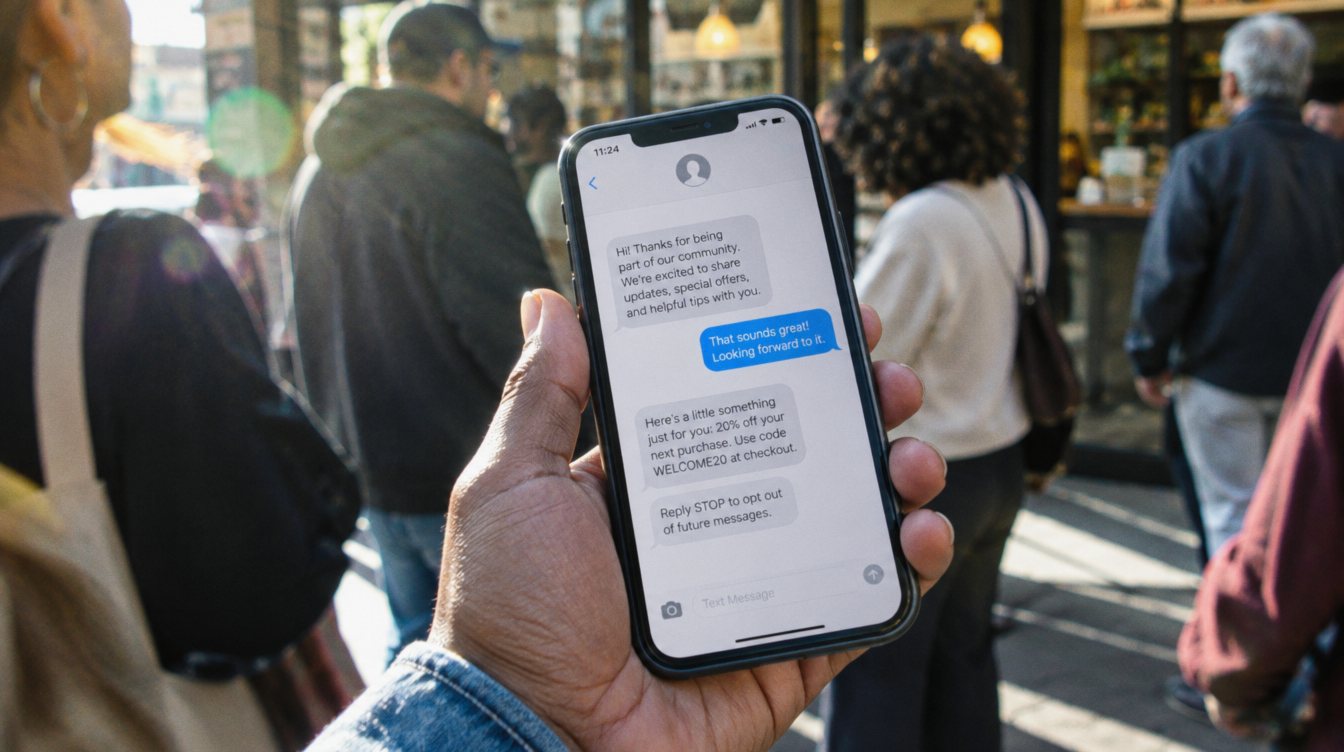
Missed-call text back is an automation that sends a text message to anyone who calls your business number and does not reach you. Within a minute or so, the caller gets something like "Hi, this is Ceasare with EMP Created. Sorry I missed your call, I am on an event right now. What can I help you with?" Instead of hanging up and calling the next name on their list, they reply by text, and you pick the conversation up when you can.
For service businesses that spend their days on job sites, at events or with clients, it is one of the simplest automations to set up and one of the most useful.
Why it matters for service businesses
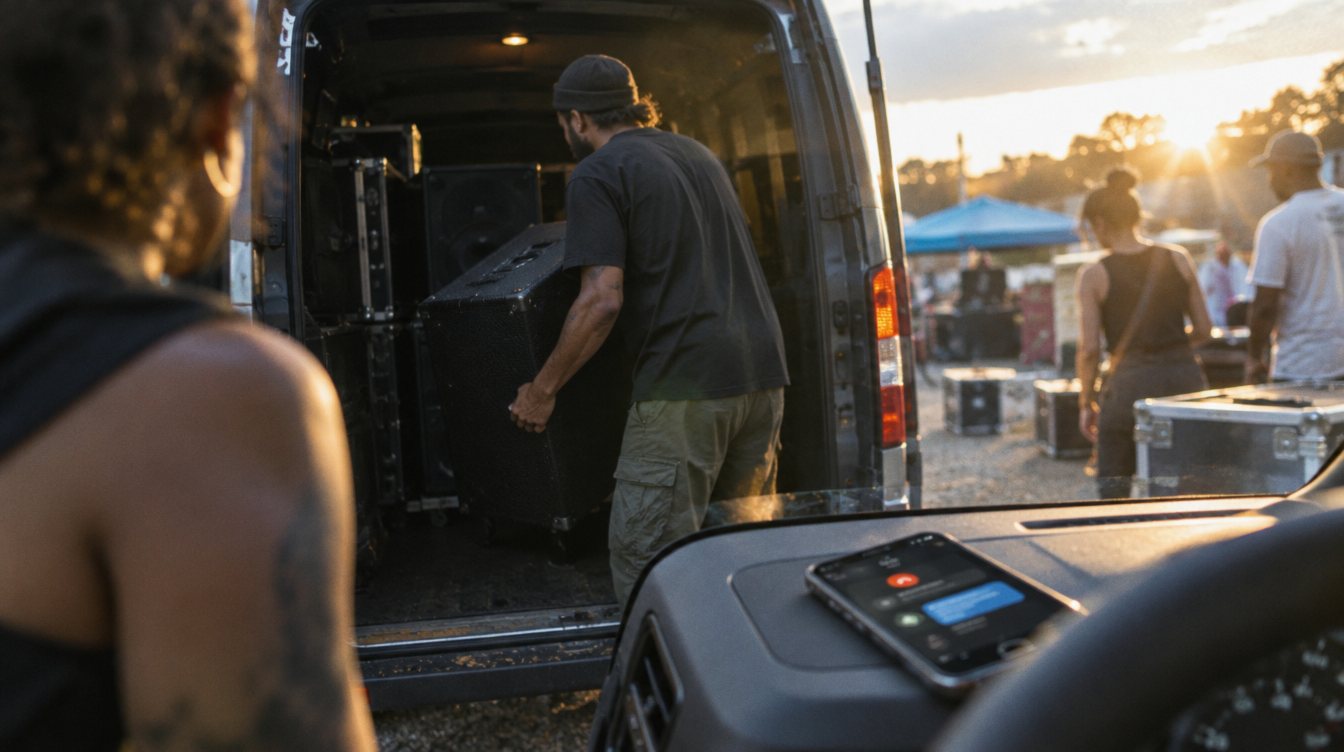
Think about when your phone rings. If you are a DJ, it rings during a setup. A photographer, mid-shoot. A contractor, on a ladder. You cannot answer, and a lot of callers do not leave voicemails. They move on.
A text back changes what happens next. The caller has already shown intent; they picked up the phone. A text in their pocket a minute later says "we saw you, we are real, and you can reach us right here." Texting is also easier for many people than playing phone tag. Replies come in when they are free, and you answer when you are free.
Voicemail only
- Caller has to leave a message (many do not)
- You call back hours later, maybe reach them, maybe not
- Phone tag over several days
- No record of the call in your CRM unless you add it
Missed-call text back
- Caller gets a text within a minute
- They can reply with details whenever it suits them
- You answer between tasks, by text
- The contact and conversation land in your CRM automatically
How it works
- A call comes in to your business number
Usually a number provided by your CRM or phone system, which forwards to your cell.
- Nobody answers
The system sees the call ended as missed or went to voicemail.
- A text goes out
Automatically, from the same business number, within a short delay you choose.
- The caller replies
Their reply lands in your business inbox and notifies you on your phone.
- Follow-up starts if needed
If they share an event date or a request, your normal inquiry workflow can take over: booking link, date check, and so on.
Many CRMs include this as a built-in setting or a ready-made workflow. GoHighLevel lists Missed Call Text-Back as a feature, for example, and you can customize the message or build it as a workflow if you want more control. We cover the platform in GoHighLevel for event vendors.
The text has to come from the number they called. If your missed-call text arrives from a random short code or a different number, people ignore it or think it is spam. That usually means routing calls through a business number your CRM controls.
Writing the message
The default message in most tools sounds like a robot. Rewrite it. A good missed-call text:
- Says who you are (name and business), since they may have called several companies.
- Apologizes briefly for missing them, without a long excuse.
- Asks an open question: "What can I help you with?" or "What date is your event?"
- Sets an honest expectation if you are tied up: "I am on a job until 6 and will reply then."
- Stays short, about one or two sentences.
- Includes opt-out language, such as "Reply STOP to opt out," where your texting provider or carrier rules require it.
You can vary the message by time of day. During business hours: "Sorry I missed you, I will call you back shortly, or text me here." After hours: "Thanks for calling. We are closed for the night, but text me what you need and I will get back to you first thing in the morning." Whatever you promise, keep it.
An automatic text is a promise that a person will follow up. Keep the promise.
The setup details people miss
Texting registration
In the U.S., businesses that send texts from a regular 10-digit number need to register through a process called A2P 10DLC. Unregistered business texts may be filtered or blocked by carriers. Registration involves your business details and a description of how you text people. It takes some paperwork and a waiting period, so start early. We explain it step by step in A2P 10DLC explained.
Filtering who gets a text
You probably do not want to text every missed caller. Spam calls, vendors calling about their own business, and repeat callers within a few minutes should not trigger the message every time. Most systems let you add a short delay, skip numbers already tagged (vendors, family, spam), and send the text only once per caller within a set window.
Someone has to answer
The automation buys you time. It does not replace the reply. If texts sit unanswered for a day, you have just traded a missed call for a missed text. Make sure replies notify the right person's phone, and set a rule for yourself: answer every text-back conversation the same day.
What it does not do
Missed-call text back is not an answering service, and it is not an AI receptionist. It sends one message and waits. Some platforms now offer AI voice agents that can answer calls, take details or book appointments. Those can work, but they are a bigger decision, with more that can go wrong. Start with the text back, see how many conversations it saves, and decide later whether you need more.
It also will not fix a phone number problem. If your number is not on your Google Business Profile, website and listings consistently, fix that first so callers reach the number your system watches.
Is it right for your business?
It is a strong fit if you regularly cannot answer because you are working, if a meaningful share of new business starts with a phone call, and if you or someone on your team can reply to texts during the day. It is less useful if almost all of your inquiries come through forms and email, though it costs little to have it running anyway.
It is one of the first pieces we set up in an AI Systems build, alongside instant inquiry replies (see how to automate inquiry follow-up). We understand the need firsthand: we spend weekends running events, not watching the phone.
Frequently asked questions
Is missed-call text back legal?
Replying by text to someone who just called you is a common practice, but business texting in the U.S. still has rules: register your number for A2P 10DLC, identify your business, honor opt-outs, and do not add callers to marketing campaigns without consent. Check with your provider or a lawyer for your specific use.
How fast should the text go out?
Within a minute or two of the missed call. A short delay avoids texting someone who is about to call right back.
Can I use missed-call text back with my personal cell number?
Usually not directly. It works through a business number provided by your CRM or phone system, which can forward calls to your cell and send texts from the same number.
Does it work for landlines?
The text goes to the caller's number. If they called from a landline, it will not arrive, which is why voicemail and a callback still matter.