The short answer
- Pick customers who had a real before-and-after, ask open questions about their experience, and never hand them a script.
- Film it like an interview: good light, clean audio, a relaxed setting, and b-roll of the customer in their world.
- Typical ranges from our research: about $500 to $2,000 for a freelancer-made testimonial, $1,500 to $15,000 from agencies. Our cinematic interviews start at $2,795.
A customer saying "they were great" on camera does not sell much. A customer explaining what was wrong before, what changed, and how it feels now sells a lot. The difference is almost never the camera. It is who you ask, what you ask them, and how comfortable they are when you hit record.
This guide walks through the whole process: choosing customers, asking for the video, the interview questions that work, how to film it and how to use it once it is done.
Choose the right customers
Your happiest customer is not automatically your best testimonial. Look for these traits:
- A clear problem before they found you, and a clear result after
- Similar to the customers you want more of (industry, size, situation)
- Comfortable talking, even if they are not polished
- Specific: they mention details, not just adjectives
- Recent enough to remember the experience clearly
One great story from the right customer beats five generic ones. If you serve two very different kinds of customers, aim for at least one testimonial from each.
How to ask
Ask soon after a win, when the customer is happiest. Make it easy and low pressure.
- Ask personally
A short note or call from the person they worked with works better than a generic form.
- Explain what it involves
About 30 to 45 minutes of conversation, at their place or yours, no script, and they will see it before it goes live.
- Offer flexibility
Their location, their schedule. Filming them in their own space also gives you better b-roll.
- Get permission in writing
A simple release that says where the video will be used.
- Be transparent about any thank-you
If you give a discount, gift or payment, the FTC's endorsement guidelines generally expect that connection to be disclosed. Keep it honest and check the current rules.
Automate the ask. A system that requests a written review after every project will surface your most enthusiastic customers, and those are your best testimonial candidates. See our guide to automated review requests.
Questions that get real answers
Scripts make people sound like hostages. Open questions get stories. Ask them to answer in full sentences that include the question, so each answer stands alone in the edit.
| Stage | Question | What it gets you |
|---|---|---|
| Before | What was going on before you found us? | The problem viewers recognize in themselves |
| Before | What had you already tried? | Why other options did not work |
| Decision | What made you decide to work with us? | Your real differentiator, in their words |
| Decision | Were you worried about anything going in? | Objections, and how they were handled |
| Experience | What was it like working together? | Process, communication, feel |
| After | What is different now? | The result, ideally specific |
| After | What would you tell someone in your old situation? | A natural closing line |
Follow up with "Can you tell me more about that?" and "What did that look like?" The best line in a testimonial is often the answer to a follow-up.
Do not ask a customer to say you are great. Ask them what changed, and let the viewer decide.
How to film it
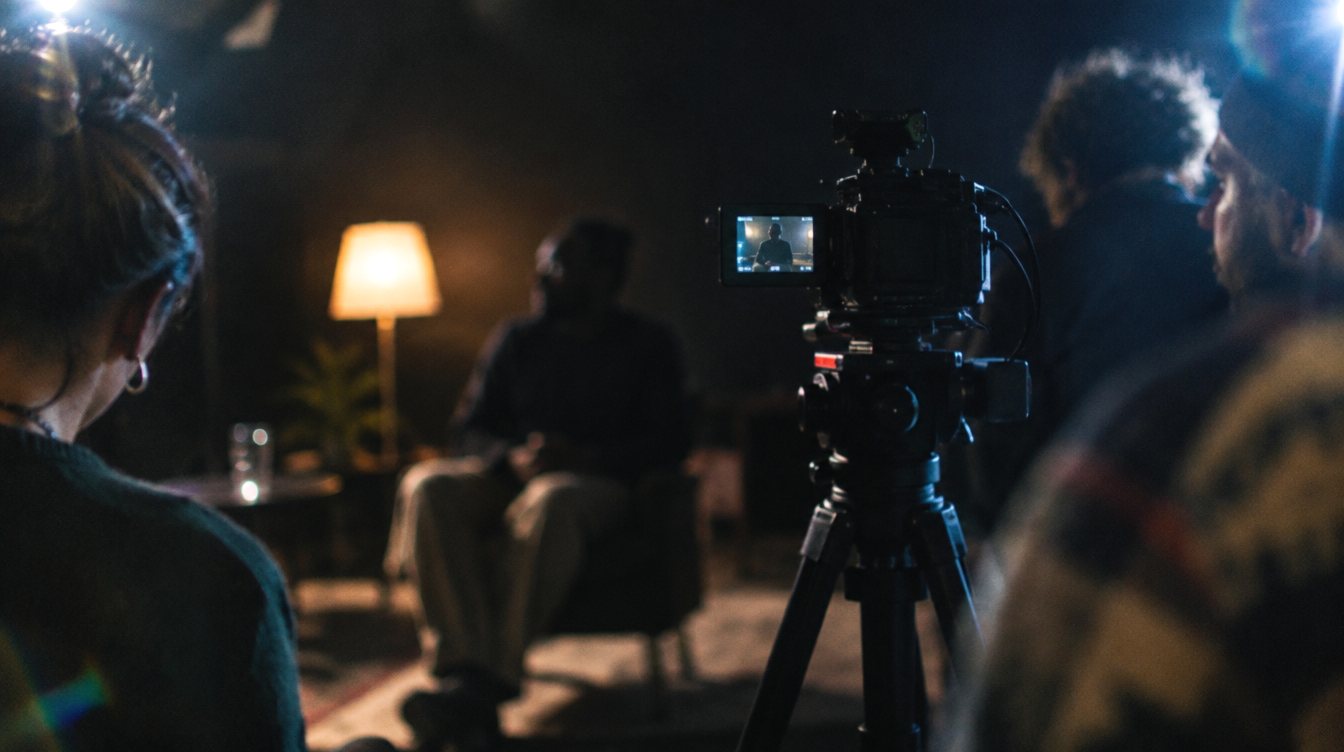
A testimonial is an interview, so the basics of interview production apply.
Light
Soft light on the face, a little separation from the background, and a setting that reflects the customer's world. Our guide on lighting an interview with three lights covers a simple setup.
Audio
Audio matters more than the picture. A lav mic on the customer, a quiet room, AC and fridge noise turned off if you can. See how to record clean interview audio.
Framing and style
Have the customer look slightly off camera at the interviewer, which feels more natural for most people. A second camera at a tighter angle gives the editor somewhere to cut. Decide early whether you want a polished, lit look or a looser, observational one; both work well for testimonials.
B-roll
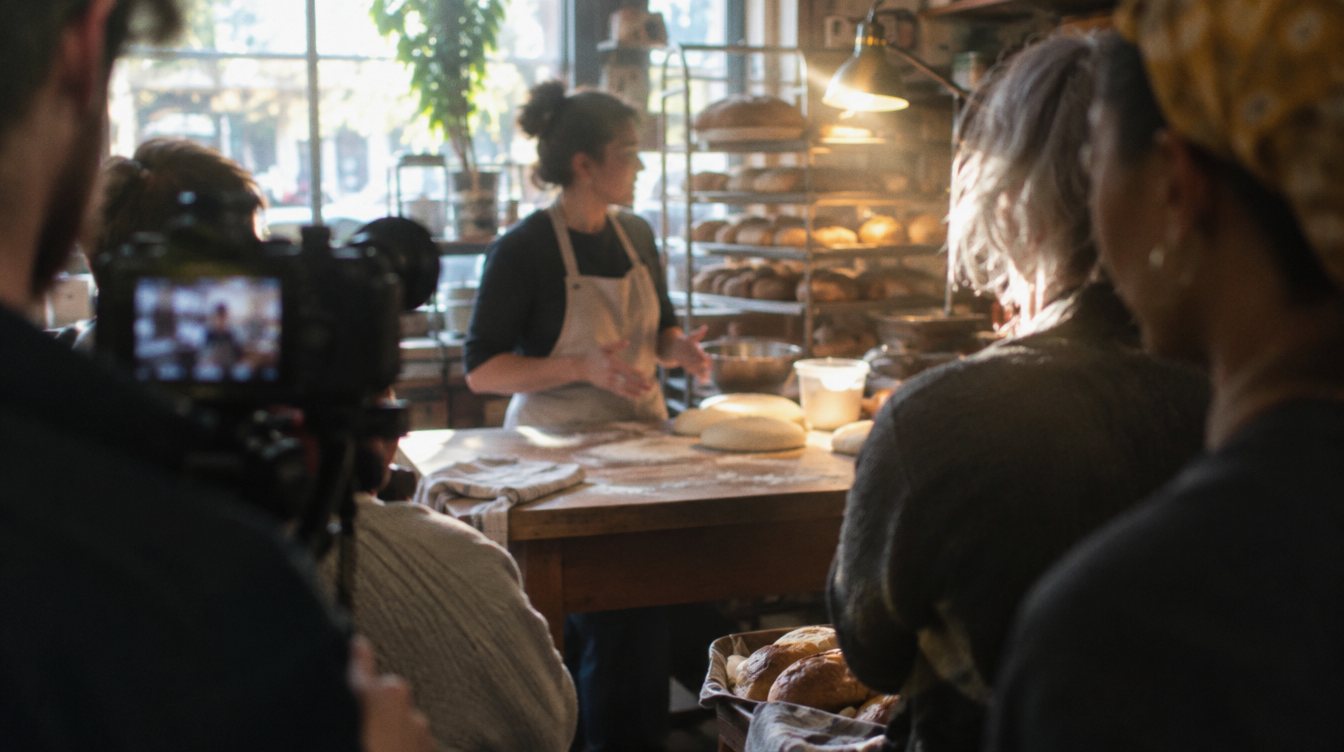
Film the customer in their world: at work, using your product, in the space you helped with. B-roll turns a talking head into a story.
Make them comfortable
Start with easy warm-up questions you will not use. Tell them mistakes are fine and you will edit. Keep the crew small and the mood relaxed.
A sample half-day testimonial shoot
- Arrive and scout
Pick the interview spot and b-roll locations with the customer.
- Set up
Lights, two cameras, lav mic and sound check.
- Interview
Warm-up, then the main questions and follow-ups. About 30 to 45 minutes.
- B-roll
The customer at work, product in use, the space, details.
- Pickups and wrap
Short one-line versions of key answers for social cuts.
Treat these times as an illustration. Locations and travel change the real schedule.
What testimonial videos cost
Typical ranges from our research of published pricing guides; most are written by production companies, so treat them as rough.
Testimonial video pricing (scale to $16,000)
Our Single Interview package is a half day with two cinema cameras and lighting design, delivered as a full edited interview plus a 60-second highlight. If you want several customers at once, the Interview Series covers a full day with up to 3 subjects, each with a full edit and highlight.
Self-recorded testimonials
- Cheap and fast to collect at scale
- Authentic, casual feel
- Inconsistent light and sound
- Customers ramble without an interviewer
Interviewed and filmed
- A skilled interviewer draws out the story
- Looks and sounds professional
- B-roll makes it watchable
- Costs more, so pick customers carefully
How to use testimonials once they are done
- The full version on your website, near the point of decision (pricing, booking pages)
- A 60-second highlight for social and email
- Short single-answer clips for objection handling in sales follow-ups
- Pull quotes with a still frame for carousels and landing pages
- A clip in your ads, with the customer's permission for paid use
One interview can feed months of content. Our guide on repurposing one shoot shows how to plan for it. When you are ready to film, start with the project planner.
Frequently asked questions
How long should a testimonial video be?
A 60 to 90 second highlight works for most uses. A longer two to three minute version suits a website case study page, and 15 to 30 second clips work for ads and social.
Should I script my customer?
No. Scripts sound forced and can make the testimonial misleading. Ask open questions and let the customer speak in their own words, then edit for length.
What if my customer is nervous on camera?
Keep the crew small, start with easy warm-up questions, and remind them it will be edited. Having them talk to an interviewer instead of the lens helps a lot.
Can I film testimonials remotely?
Yes, with a webcam or phone and a remote interview tool. Quality depends on the customer's light and audio, so send a simple setup guide or ship them a mic.